
May 18, 2026
Key Highlights:
● Choosing aftermarket parts over OEM can save money upfront but sometimes doubles long-term repair costs.
● OEM parts ensure vehicle compatibility, durability, and warranty compliance.
● Aftermarket parts vary in quality, and mismatched components can accelerate wear on surrounding systems.
● Real-world examples show that a $200 brake component could lead to $1,200 total repairs if poorly matched.
Estimated Reading Time: 8 minutes┃Post by: Jordan K. Reid
The Real Cost of Aftermarket vs. OEM Parts
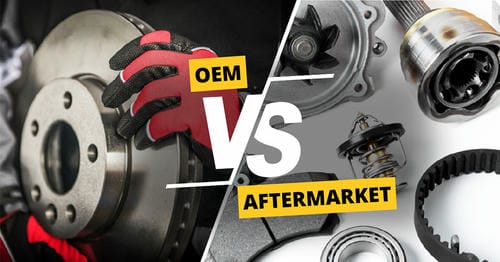
When your car requires maintenance or repair, the decision between OEM (Original Equipment Manufacturer) and aftermarket parts can feel like a financial balancing act. Many drivers are tempted by the lower sticker price of aftermarket components. On the surface, a $50 alternator or $120 brake pad may seem like a no-brainer compared to the $200 or $350 OEM equivalent. However, the long-term implications often remain hidden until repair bills start piling up.
Data collected from automotive repair shops across the U.S. indicates that using lower-quality aftermarket parts can double overall costs after 60,000 miles. For example, consider a scenario involving a mid-range SUV. Replacing a suspension strut with an aftermarket component may cost $180, versus $350 for OEM. Yet, after six months of inconsistent performance, the mismatched strut caused uneven tire wear, broken bushings, and a misaligned frame component. The total repair bill escalated to $1,050—nearly triple the original aftermarket expense. A comparative table highlights these differences:

This table illustrates the hidden risks. Even moderately priced aftermarket parts can have a snowball effect on repair costs if quality or compatibility is subpar. OEM components, while pricier upfront, maintain consistent performance, reduce secondary damage, and often uphold the vehicle’s warranty.
Understanding Trade-Offs and Risk Factors
Selecting the wrong replacement component isn’t merely a question of brand—it’s about understanding mechanical tolerances, material quality, and system integration. OEM parts are designed specifically for a vehicle’s engineering specifications. They undergo rigorous testing, ensuring reliability under diverse conditions. Aftermarket alternatives are manufactured by third parties, which means quality control varies widely. Some aftermarket parts match or even exceed OEM performance, but identifying them requires research and trusted suppliers.
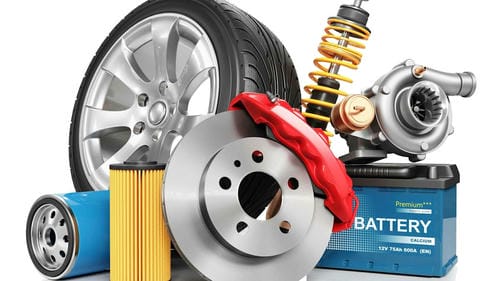
Real-world cases show that brake systems, electronic sensors, and transmissions are particularly vulnerable to aftermarket misfits. A widely reported incident involved a popular compact sedan whose owner installed aftermarket ABS sensors to save $150. Within two months, inconsistent readings caused premature wear on the brake master cylinder, ultimately requiring a $900 repair. In contrast, using OEM sensors from the start could have maintained system integrity and avoided cascading damage.
For vehicle owners looking at financial impact over a decade, consider the cumulative effect. Using OEM parts may cost 25–40% more upfront per repair, but average long-term costs remain lower when factoring in fewer repeat repairs, higher resale value, and sustained performance. Conversely, choosing budget aftermarket options without research can create unpredictable maintenance cycles and escalate total ownership costs.
Performance and Safety Considerations
Aftermarket parts are often marketed aggressively on performance, claiming better airflow, braking efficiency, or durability. While some of these claims are valid, real-world results vary widely. A high-performance aftermarket brake rotor, for instance, may offer faster initial stopping power. But if it doesn’t integrate properly with the stock caliper, it can cause uneven pad wear, overheating, or rotor warping.
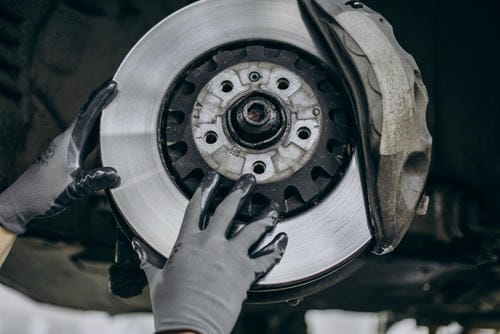
Safety systems are especially critical. Components like airbags, ABS modules, and electronic stability sensors require precise engineering. Using aftermarket replacements here may not just increase repair costs—they can endanger occupants. Even slight deviations in sensor calibration can trigger error codes or delayed system response, demonstrating that cheaper parts are not always cost-effective in a broader sense.
The Economics of Resale Value
Another often-overlooked factor is resale or trade-in value. Cars maintained with OEM parts are more attractive to buyers and dealerships because they reflect consistent maintenance history. Aftermarket parts, especially if poorly documented, can signal to prospective buyers that corners were cut, lowering the vehicle’s perceived reliability.
Consider a hypothetical comparison: two 5-year-old vehicles of the same model, identical mileage, and condition. One has only OEM replacements, while the other has a mix of aftermarket parts. A dealership might reduce its offer by $800–$1,200 on the second car due to potential risk, effectively erasing any initial savings from aftermarket purchases. Over a decade, this difference accumulates, often surpassing the upfront cost savings.
Practical Guidelines for Decision-Making
A realistic approach to component replacement involves analyzing the balance between upfront savings and long-term reliability. Here’s a practical decision framework, illustrated with real-life scenarios:
● For critical systems like brakes, suspension, and engine components, OEM parts generally offer the safest financial path. The cost of failure is disproportionately high.
● For non-critical systems such as cosmetic trims, air filters, or minor interior components, quality aftermarket alternatives may suffice.
● Cross-reference parts with consumer reports, verified mechanic feedback, and warranty coverage to mitigate risk.
● Keep detailed service records. Understanding previous replacements helps prevent repeated use of incompatible aftermarket parts that compound mechanical issues.
Consider the story of a family sedan owner who chose aftermarket air conditioning components to save $300. Within a year, the system failed again due to incompatible refrigerant valves, resulting in a $1,000 repair. While not catastrophic, this illustrates how even seemingly minor choices can have ripple effects.
Mechanics often emphasize that the “cheapest option” is rarely the most economical in the long run. Structured decision-making—evaluating cost, reliability, and system criticality—can prevent surprise bills and maintain the vehicle’s lifespan. The data suggest a simple principle: the more integral a part is to vehicle function, the more you should lean toward OEM components.
(This article is for informational purposes only. Vehicle maintenance decisions should be made based on professional advice and individual circumstances. Prices, scenarios, and data are illustrative and may vary by vehicle type, model year, and location.)
FAQs
Q1: Are all aftermarket parts risky?
Not all aftermarket parts are substandard. Many reputable brands manufacture high-quality components compatible with OEM standards. Research and trusted sources are key.
Q2: Can using aftermarket parts void my warranty?
It depends on the vehicle and the warranty terms. OEM replacements typically maintain coverage, whereas some aftermarket failures could affect warranty claims if they directly cause damage.
Q3: How can I identify high-quality aftermarket parts?
Look for certifications, read reviews from professional mechanics, and check whether the part meets or exceeds OEM specifications.
About Author
Jordan K. Reid is an automotive journalist and engineer with over 12 years of experience in vehicle diagnostics, repair economics, and consumer guidance. His work focuses on bridging technical expertise and practical advice for everyday drivers seeking smarter car ownership decisions.
References
[1] Automotive Aftermarket Suppliers Association. (2022). Guide to aftermarket part quality standards. R
[2] Consumer Reports. (2023). Cost and reliability of OEM vs. aftermarket car parts.
[3] RepairPal. (2023). Average car repair costs by part type.
Stay tuned to this blog for more insights on smart vehicle ownership, cost-saving strategies, and automotive trends that really matter.
Recommend:
Why Your EV’s Battery Cooling Determines Real-World Performance

Your Step-by-Step Roadmap to Avoid Buyer’s Remorse

Global Roads, Global Needs: What Life Across Continents Teaches Us About Cars and Daily Life Across the World

Why Owning a Luxury Car Costs Far More Than the Sticker Price Suggests?