Feb 3, 2026
Key Highlights:
● Many drivers are keeping their vehicles longer due to rising car prices, inflation, and financing costs.
● Long-term ownership often makes financial sense because older vehicles depreciate more slowly and avoid recurring loan payments.
● Emotional attachment and familiarity with a vehicle strongly influence decisions to resist frequent upgrades.
● Modern vehicle durability has reduced the practical need for replacement, allowing cars to remain reliable for much longer periods.
● While some drivers value novelty and flexibility, others increasingly view long-term ownership as a symbol of financial stability and personal comfort.
Estimated Reading Time: 9 minutes | Post by Clara Bennett
The Practical Appeal of Long-Term Car Ownership
In automotive culture today, a significant segment of drivers is choosing to keep their vehicles far longer than in past generations, trading the perceived lifestyle flexibility of frequent switching for the practical comforts of long-term ownership. A multitude of economic and functional factors underpins this trend, which has grown in prominence as car prices and cost-of-living pressures have risen globally. One of the most tangible practical motivations for holding onto a vehicle is financial sense. With new-car sticker prices climbing sharply in recent years, retaining a paid-off vehicle becomes a cost-effective alternative to financing a new one every few years, especially when depreciation and associated fees on new cars are considered. Cars lose a significant proportion of their value in their first few years, whereas older vehicles held beyond that period lose value much more slowly, making extended ownership financially prudent for many households.
Beyond purchase price, ongoing expenses such as insurance and repeated registration or sales tax for new vehicles can weigh heavily on household budgets. Many drivers find that once a car is “paid off,” the reduced expenses associated with maintaining it — even factoring in occasional repairs — are easier to fit into monthly planning than the recurring costs fuelled by turning over to newer models. The predictability of these costs also appeals to owners seeking stability in uncertain economic times, where interest rates and inflation can make new financing deals less attractive. In this context, the predictability of maintenance and operating costs bolsters the logic of long-term ownership.
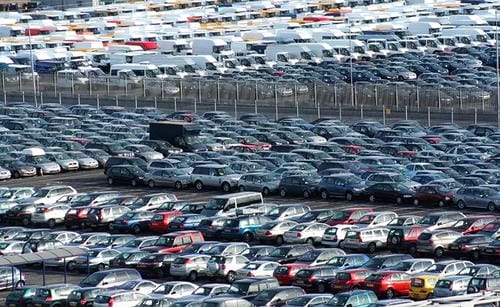
Practical considerations also extend to vehicle usability. Modern cars are engineered with durability that many owners did not see in past decades; a well-maintained car from the 2010s can perform reliably for more than a decade, reducing the functional impetus to seek replacements. Furthermore, in regions where daily driving demands do not require cutting-edge safety technology or luxury appointments, an older but well-serviced car can fulfill all necessary roles — from commuting to errands to family travel — with ease.
This orientation toward practicality influences a broader cultural shift among drivers who increasingly view cost management and utility as forms of prestige rather than devoting resources to frequent upgrades. Fully owning and running a car for many years has become, for some, a marker of financial responsibility and rational consumption.
Emotional and Identity-Based Influences on Ownership Duration
While economic and practical rationales play a central role in long-term ownership decisions, they do not exclusively account for why many drivers resist frequent switching. Emotional connections to vehicles — formed over years of shared experiences — are powerful and often underrecognized drivers of ownership longevity. Cars frequently function as landmarks in life stories: they carry memories of significant personal events, milestones, relationships, and independence. These attachments create a sense of identity linkage that transcends purely utilitarian functions, embedding a vehicle into the emotional landscape of its owner.
Psychological research supports this phenomenon; possessions that are closely tied to personal experiences tend to accrue sentimental value over time, making the prospect of replacing them feel like relinquishing a part of one’s personal history. The thrill of buying a first car, for example, carries emotional weight that can evolve into steadfast attachment, especially when the vehicle has been present during formative events such as college years, family trips, or career beginnings.
This emotional bond can temper the allure of newer models or different vehicles, even when practical reasons for switching are present. Unlike the rational calculus that weighs cost and features, emotional attachment tends to persist and grow as drivers navigate life alongside their cars. Such attachments also feed into a broader sense of ownership satisfaction and personal comfort; familiarity with a vehicle’s controls, nuances, and driving dynamics can develop into a preference that owners do not experience with new cars. Drivers report a heightened sense of confidence and ease behind the wheel when they know their car intimately, from handling quirks to seating preferences, which reinforces their reluctance to part ways.
Indeed, the emotional components of ownership are so influential that they often work alongside practical benefits to shape decisions. Drivers who keep their vehicles long-term frequently cite not only the cost savings but also the “companionship” or personal significance of their car as part of the rationale. Even when faced with tempting offers to upgrade or switch brands, the compounded emotional factors can outweigh the perceived advantages of a new vehicle.
However, the emotional versus practical interplay does not operate uniformly across all drivers. Some individuals prioritize variety, novelty, and the social signaling associated with driving the latest models. These drivers are more inclined toward short-term ownership, leasing arrangements, or even subscription services that allow frequent vehicle changes without enduring long-term commitments. The rise of flexible ownership models, such as long-term rentals and leasing, reflects this orientation. These alternatives emphasize adaptability to evolving lifestyles — whether shifting work patterns, changing family sizes, or simply the desire for new features — and attract drivers who value variety as a core component of automotive enjoyment.
In contrast, long-term owners often place greater value on the comfort and familiarity that accrue over time. For them, ownership becomes more than a transactional relationship with a machine; it is an investment in a stable element of daily life that supports routines, emotional continuity, and a sense of control over one’s mobility. This sense of comfort can be difficult to quantify but is frequently cited anecdotally as a primary reason many drivers remain loyal to a single vehicle for years or even decades.
(This article is intended for informational and educational purposes only. Discussions regarding vehicle ownership trends, emotional attachment, consumer psychology, and automotive economics are based on general observations, publicly available research, and industry trends. Individual financial circumstances, maintenance costs, and ownership experiences may vary significantly depending on vehicle condition, driving habits, and regional economic factors. This content should not be interpreted as financial or purchasing advice.)
FAQs
1. What maintenance habits help a car last for many years?
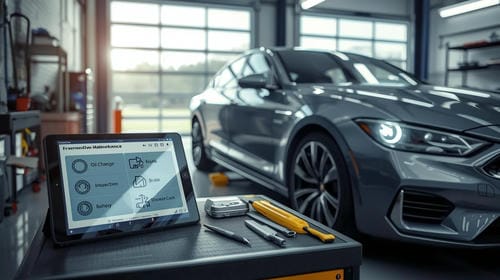
Regular oil changes, timely repairs, tire maintenance, fluid checks, and following the manufacturer’s service schedule are some of the most important factors in extending a vehicle’s lifespan.
2. Why do some people prefer leasing instead of long-term ownership?
Leasing appeals to drivers who enjoy newer technology, updated styling, lower short-term maintenance concerns, and the flexibility to switch vehicles every few years.
3. Can keeping an older car be environmentally beneficial?
In some cases, yes. Extending the life of a well-maintained vehicle can reduce the environmental impact associated with manufacturing a new car, though fuel efficiency and emissions standards also play an important role.
Updated April 20, 2026
About the Author
Clara Bennett is a fictional researcher and automotive lifestyle journalist specializing in vehicle ownership psychology, consumer mobility trends, and the cultural meaning of long-term car ownership. Her work explores how emotional attachment, economic realities, and changing societal values influence the evolving relationship between drivers and their vehicles.
References
https://www.topspeed.com/drivers-choosing-to-keep-their-old-cars
https://carvisionary.net/archives/2312
https://www.insighttrendsworld.com/post/automotive-the-keep-it-rolling-revolution-why-drivers-are-holding-onto-older-cars-longer-than-ev
Keep reading to explore additional insights on fuel economy, reliability, repairs, and everything that matters to drivers.
Recommend:
The Rise of Extended Car Ownership and What’s Behind It
A Practical Guide to Knowing When It’s Time for a Family Car Upgrade
The Evolving Decision of When to Replace Your Car Amid Rising Longevity and Economic Pressures
How Shifting Economics Could Reshape Car Pricing and Ownership by 2030