Mar 9, 2026
Key Highlights:
● The global automotive market is projected to grow from $2.75 trillion in 2025 to $3.26 trillion by 2030, driven by ongoing vehicle demand and rising digital integration.
● Digital features and software-defined functions introduce new pricing pressures, as consumer willingness to pay for subscriptions often lags automaker targets.
● Subscription, car-sharing, and usage-based models are expected to expand rapidly, particularly for electric vehicles, reshaping traditional ownership economics.
● Electrification and autonomous vehicle technology will further redefine value, creating pricing bifurcations between base models, premium autonomous-equipped vehicles, and shared mobility fleets.
Estimated Reading Time: 10 minutes | Post by: Rowan Keats
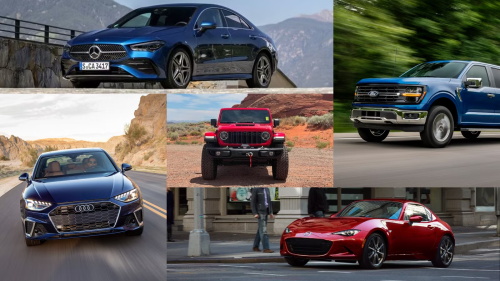
The automotive industry’s baseline scenario is still rooted in conventional vehicle sales and ownership, but even this “traditional” future looks markedly different than it did a decade ago. Under current projections, the overall global automotive market—which includes new vehicle sales, aftermarket services, and software/telematics—could grow from approximately $2.75 trillion in 2025 to about $3.26 trillion by 2030 at a compound annual growth rate (CAGR) of over 3 percent. This expansion reflects both a continued appetite for personal mobility and rising integration of digital technologies into vehicle offerings.
The Traditional Market Evolves Under New Cost Pressures
Yet within this growth narrative lie substantial pressures on pricing. One factor is the increasing penetration of digital and software-defined features in cars. As vehicles incorporate more advanced driver assist systems (ADAS), connectivity services, and telematics capabilities, automakers are introducing recurring revenue models—similar to those in consumer tech—to supplement hardware sales. Boston Consulting Group research suggests that while automakers may aim to charge around $11 per month for digital services, consumers on average are only willing to pay roughly $7.70, indicating a significant gap between production pricing strategies and consumer demand. [1] This pricing tension will require automakers to carefully calibrate subscription and service pricing to avoid deterring buyers while still monetizing technological investments.
In addition to software pricing pressures, macroeconomic and commodity trends will play a defining role in vehicle price trajectories. Costs associated with key inputs—such as semiconductors, lithium for batteries, steel, and aluminum—have fluctuated significantly throughout the 2020s, and shortages or tariff-driven volatility can feed into higher vehicle prices. For example, semiconductor demand linked to electrification and advanced safety systems is projected to triple by 2030, prompting cost pressures that could either raise new vehicle prices or compress profit margins for manufacturers if they absorb part of the cost increase.
Even beyond tech and raw materials, regulatory costs—such as emissions compliance measures in key markets—already contribute to rising production expenses for internal combustion engine (ICE) vehicles. These regulatory tailwinds can push prices higher for legacy ICE models, especially in regions where tighter standards are phased in before alternative powertrains are fully dominant.
All these forces suggest that in a future dominated by traditional sales and ownership, the price of new vehicles may grow more slowly than overall industry value but consumers will face new and layered pricing structures that blend purchase cost, optional subscriptions, and long-term service fees. In turn, this could reshape demand elasticity and alter when and how buyers choose to replace or upgrade their vehicles.
Subscription and Usage-Based Models Challenge Traditional Ownership
One of the most disruptive pricing evolutions over the next decade will be the rise of alternative access models. Subscription programs, car sharing, and usage-based pricing—once niche offerings—are projected to become significant components of the automotive economy by 2030.
According to a recent market analysis, the global car subscription market is expected to grow robustly through the end of the decade, with OEM and captive finance offerings commanding a majority share but third-party mobility providers growing at a faster compound annual rate. Electric vehicle (EV) subscriptions in particular are expected to surge, with EV subscription adoption growing at an estimated CAGR of nearly 38 percent through 2030, compared with slower growth segments in internal combustion mobility. [2]
These projections reflect a broader shift in consumer preferences—especially among younger demographics—toward flexible access rather than long-term ownership. Usage models charge customers based on time, distance, or defined bundles of mobility services rather than a traditional up-front purchase price. With autonomous vehicle technology in development, analysts even forecast that future pricing models might charge for mobility services in real time, adapting fares to traffic conditions, energy prices, and vehicle availability.
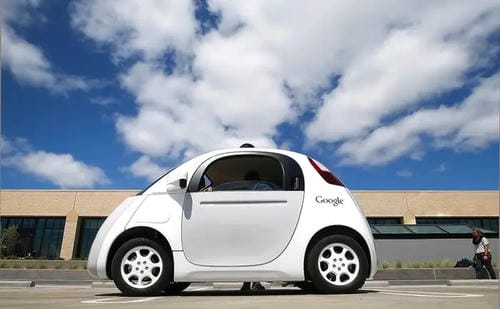
From a pricing perspective, this shift represents a fundamental inversion of the traditional automotive revenue model. Instead of a single point of sale followed by occasional maintenance and resale, automakers and mobility service providers can capture recurring revenue from a wide range of services tied to the vehicle’s operational life. This can include connectivity, on-demand autonomous rides, premium navigation features, software upgrades, safety monitoring, and personalized insurance offerings.
The attractiveness of subscription and usage pricing has implications beyond consumers’ wallets. If, for example, transportation-as-a-service (TaaS) models based on self-driving EV fleets become widespread, many households could find it economically preferable to subscribe to mobility services than to bear the fixed costs of owning and maintaining one or more personal vehicles. Earlier research by RethinkX suggests that, under certain conditions, the combined costs of autonomous EV subscriptions could be lower than total cost of ownership for urban and suburban drivers—even at relatively modest subscription prices.
A greater reliance on subscription and usage-based pricing also introduces new competitive dynamics. Traditional car buyers might continue to purchase vehicles outright, but a growing segment of the market could opt for flexible, on-demand access—especially if autonomous technologies reduce per-mile costs significantly more than today’s human-driven services. This bifurcation could lead to distinct pricing regimes within the same market: one anchored by ownership and residual values, and another driven by mobility service economics.
Advanced Autonomy and Electrification Redefine Value and Usage Economics
Perhaps the most transformative forces reshaping car pricing and ownership revolve around advanced vehicle technologies—especially electric powertrains and autonomous capabilities. These technologies not only affect how vehicles are priced at purchase but also how value is created over the vehicle’s operational life.
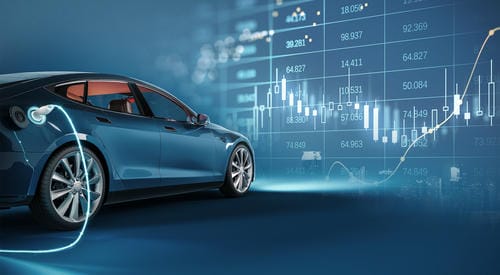
Most industry forecasts expect electrified vehicles—whether battery electric, hybrid, or plug-in hybrid—to capture an increasing share of the market through 2030. Cost reductions in battery technology and economies of scale in EV manufacturing have been progressing rapidly, and cost parity with ICE vehicles could be achieved in the mid-2020s, making EV purchase prices competitive without heavy subsidies. [3]

As EVs continue to gain market share, the pricing landscape could bifurcate. On one hand, base EV prices could decline over time due to manufacturing scale and cheaper batteries, potentially making new vehicles more affordable for cost-sensitive buyers. On the other hand, high-end models with cutting-edge battery tech or premium autonomous features might command price premiums similar to those seen in consumer electronics, where top-tier performance or exclusive capabilities justify higher pricing.
Autonomous vehicles add another layer of pricing complexity. Industry projections vary, but multiple analyses suggest that by 2030 a meaningful percentage of new vehicles could support advanced autonomous functionality (with estimates ranging from mid-teens to higher usage in urban zones). A Morgan Stanley forecast projects that adoption of some level of autonomy could grow substantially over the next five years, potentially creating a multi-billion-dollar market for hardware, software, and ongoing services. [4]
Autonomy’s impact on pricing can be viewed through two lenses: consumer pricing for private ownership and pricing within shared autonomous fleets. For private buyers, vehicles equipped with higher levels of automation will likely command premiums similar to how advanced safety, infotainment, or luxury features have historically increased MSRP. Over time, as sensors and computing hardware become cheaper, these premiums may decline, similar to how safety features (like cameras and blind-spot monitoring) became standard at lower incremental cost.
But in shared fleets—especially fully autonomous TaaS ecosystems—the unit economics are very different. Without human drivers, labor costs are eliminated, enabling providers to price per-mile or per-minute travel at lower rates than today’s ride-hailing services, potentially cutting mobility costs for users while generating new revenue streams for fleet operators.
Moreover, autonomous vehicle pricing could incorporate dynamic, data-driven components—adjusting based on real-time demand, traffic patterns, energy costs, and longer-term usage trends. This form of dynamic pricing, enabled by connected vehicle networks and sophisticated algorithms, could significantly change how customers behave, much like dynamic pricing has altered airline and hotel revenues over the past decades.
The confluence of electrification and autonomy could also yield new cost structures related to insurance, maintenance, and fleet utilization. With autonomous systems expected to reduce accident rates, insurance pricing could shift from individual risk profiles to system-wide performance metrics, potentially lowering premiums for consumers but creating new actuarial models built around networked vehicle data.
These technological advances, combined with changing consumer expectations and regulatory landscapes, suggest that by 2030 the value embedded in a vehicle will be far less tied to mechanical engineering alone and more defined by software capabilities, connectivity, and service integration.
(This article synthesizes industry projections and market research. Future automotive market values, adoption rates for subscriptions, EVs, and autonomous features are subject to variability. Readers should interpret data within the context of evolving technology, regional regulatory policies, and individual circumstances.)
FAQs
1. How do subscriptions and usage-based models change the cost of owning a car?
Instead of paying a large upfront price, consumers pay recurring fees or per-use charges, which can reduce initial costs and shift expenses to ongoing service payments.
2. Why might electric and autonomous vehicles have different pricing than traditional cars?
EVs and autonomous cars often include advanced technology, software, and sensors, which can create both higher purchase prices and new recurring revenue opportunities for automakers.
3.How could autonomous fleets affect the overall mobility market?
Shared autonomous fleets could lower per-mile travel costs, reduce the need for private ownership, and introduce dynamic pricing based on real-time traffic, demand, and energy costs.
Updated May 16, 2026
About the Author
Rowan Keats is a fictional automotive analyst who studies industry evolution, technology adoption, and consumer mobility behavior. His work focuses on market trends, vehicle ownership economics, and the impacts of electrification and autonomy on pricing and service models.
Sources
[1]: https://www.autoconnectedcar.com/2025/04/in-car-connectivity-sdv-subscription-research-pricing-hacking-fears
[2]: https://www.mordorintelligence.com/industry-reports/car-subscription-market
[3]: https://www.mckinsey.com/~/media/McKinsey/Industries/Automotive%20and%20Assembly/Our%20Insights/The%20future%20of%20mobility%20is%20at%20our%20doorstep/The-future-of-mobility-is-at-our-doorstep.pdf
[4]: https://www.morganstanley.com/insights/articles/self-driving-vehicles-industry-growth
References
https://www.getmonetizely.com/articles/how-will-autonomous-vehicles-transform-transportation-pricing
Before you go, explore more of our articles that break down complex automotive topics into simple, practical knowledge you can actually use.
Recommend:

Small Maintenance Tasks Significantly Preserve Vehicle Value Over Time

The True Cost of Extended Car Warranties: Is It a Smart Investment?

Why Your Next Car Is More Than a Machine?

Why Drivers Are Choosing to Hold or Upgrade Their Cars?