Feb 8, 2026
Key Highlights:
● Modern cars are evolving into connected lifestyle platforms rather than simple transportation tools.
● Connectivity, software, and digital ecosystems are reshaping how drivers interact with vehicles.
● Younger consumers increasingly view cars as extensions of their personal and digital identities.
● Automakers are expanding into subscription services, smart integrations, and digital experiences.
● Autonomous driving technology could eventually transform vehicles into mobile living and working spaces.
Estimated Reading Time: 8 minutes | Post by Natalie Cross
For over a century, the automobile’s primary role was simple: a means to get from point A to point B. Today, however, that definition is undergoing a profound transformation. The modern car is increasingly becoming a lifestyle platform — an extension of the user’s digital, social, and even emotional life — rather than merely a tool for transportation. This evolution reflects deep shifts in consumer expectations, technological capabilities, and industry strategy.
The Evolution of the Automobile Beyond Transportation
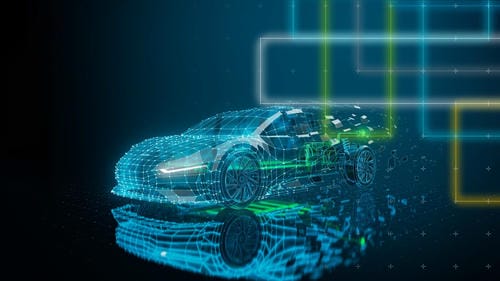
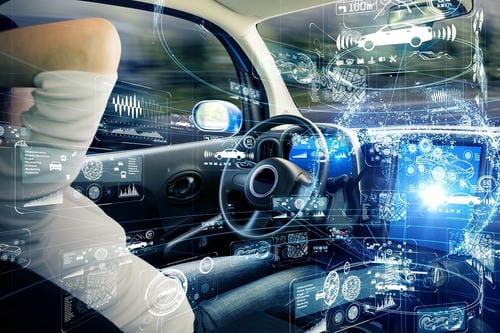
Automakers and tech companies alike are redesigning vehicles to be more than hardware on wheels. Connectivity — once an optional feature — is now the backbone of this transformation, enabling cars to interact with digital ecosystems in real time. These connected vehicles collect and transmit vast amounts of data on everything from driving patterns and traffic conditions to performance metrics and user preferences, creating a foundation for new personalized services and experiences. [1]
Market forecasts vividly illustrate how this shift is reshaping the automotive landscape. According to a global industry forecast, the market for vehicles as connected living ecosystems is expected to grow from tens of billions today into the trillions by 2035, emphasizing how cars are rapidly integrating into broader lifestyle and living systems far beyond basic mobility. This growth reflects more than simple gadgetry: it signals that consumers increasingly view their vehicles as mobile extensions of their homes, offices, and social environments, rather than as isolated machines.
The push towards lifestyle integration also shows up in regional strategies. In China, for example, policymakers and manufacturers are actively promoting cars as core elements of “smart living” scenarios powered by advanced computing and connectivity, blurring the boundary between urban life, infrastructure, and personal mobility. [2] What was once a simple tool for commuting is now envisioned as a space for work, entertainment, and personal expression, tightly woven into the rhythms of daily life.
How Technology and Consumer Behavior Drive Integration
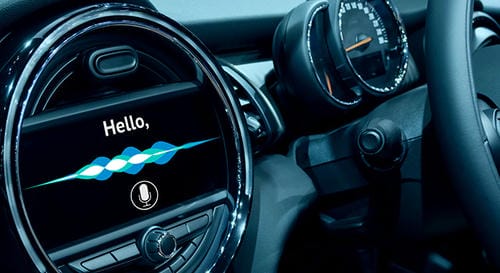
Several converging forces are powering the shift toward lifestyle-centric cars. At the core is the rapid adoption of digital technologies: high-speed internet connections, artificial intelligence, software platforms, and data-enabled services. Unlike traditional vehicles, modern cars increasingly run on complex operating systems with over-the-air update capabilities, allowing continuous enhancements long after purchase. According to industry trend analyses, connectivity is no longer a luxury but a structural feature that enables continuous digital engagement with consumers, ultimately transforming how drivers and passengers interact with their vehicles. [3]
This digital shift dovetails with changing consumer expectations. Younger generations — particularly digital-native cohorts — no longer see cars solely as transportation assets; they see them as smart mobile spaces that reflect personal identity and lifestyle. Surveys from automotive research indicate that many consumers increasingly regard cars as intelligent companions or personalized spaces that offer a seamless extension of their digital lives, combining mobility with entertainment, connectivity, and comfort. This perspective shift is even reflected in online consumer behavior and community content, where discussions about “car life” increasingly focus on how vehicles fit into broader life scenarios, from daily commuting to leisure and social interaction.
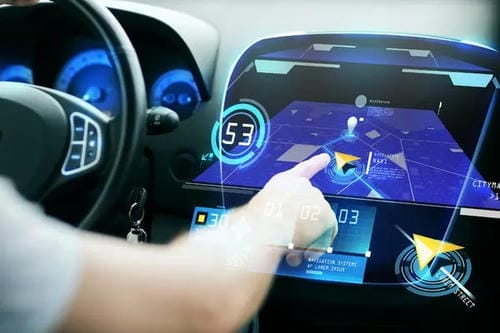
Technology is also enabling entirely new vehicle-based services. Connected car platforms support a range of functions from remote diagnostics to personalized content delivery, subscription features, and integration with smart home systems. These services all contribute to making cars part of a broader digital lifestyle ecosystem — one where the vehicle interacts with other personal devices and services continuously. Crucially, these developments are not limited to passenger comfort or convenience; they represent a strategic shift in industry business models, with manufacturers and service providers exploring recurring revenue streams through software-defined vehicles and ongoing digital services.
At the same time, advancements in autonomous driving are pushing this trend further. When human drivers are no longer required to concentrate on the road, vehicles can become true mobile living spaces. Research on future mobility predicts that autonomous capabilities will free up occupant time for work, communication, entertainment, or relaxation — activities that were previously impossible while driving. [4] While full autonomy remains a work in progress, its potential to redefine in-car life is already reshaping how companies design vehicle interiors and user experiences.
Finally, this transformation is mirrored in how automakers themselves view their products and markets. Leaders in the industry are moving away from simply selling cars as hardware and toward offering holistic lifestyle experiences through integrated digital ecosystems, third-party partnerships, and value-added services. The emphasis is no longer on isolated features but on how the vehicle fits into and enhances the consumer’s daily life.
Reimagining the Automobile as a Center of Daily Life
The trend toward lifestyle integration goes far beyond technology; it reflects deeper cultural and social shifts. As automobiles become more embedded in personal and social activities, they also take on roles that echo broader societal values — from expression of identity to facilitating social connections.
In many markets, cars are increasingly seen as platforms for personal expression and social interaction. Online communities and “car life” digital platforms reveal a growing interest in vehicles as spaces where users share interests, hobbies, and experiences. These trends show how automotive enthusiasm has evolved into a form of lifestyle engagement, where ownership and use are tied to personal identity, social status, and emotional connection.
Brand strategies are adapting accordingly. Automakers today invest heavily in building ecosystems that connect vehicles to smart homes, digital assistants, entertainment services, and social platforms, weaving cars into daily digital life rather than treating them as isolated tools. This shift has pushed many traditional manufacturers to think like technology companies, emphasizing software, data, and services alongside hardware.
In summary, the automotive industry is undergoing a fundamental redefinition: cars are no longer just transportation tools; they have become lifestyle platforms that integrate mobility with digital interactivity, personalized services, and social engagement. This transformation reflects broader trends in consumer behavior, technology adoption, and industry strategy — and it is shaping how societies around the world will live, work, and move in the decades to come.
(This article is intended for informational and educational purposes only. Discussions regarding connected vehicles, autonomous driving, digital ecosystems, and automotive market trends are based on current industry developments and publicly available research. Technological capabilities, consumer adoption, and regulatory environments may evolve over time, and readers should not interpret this content as investment, legal, or professional automotive advice.)
Updated April 10, 2026
About the Author
Natalie Cross is a fictional automotive and mobility journalist specializing in connected vehicle ecosystems, digital consumer behavior, and future transportation trends. With years of experience covering software-defined vehicles, smart mobility platforms, and emerging automotive business models, she focuses on how technology is reshaping the relationship between people, vehicles, and everyday life.
Sources
[1]: https://www.hyundai.news/eu/articles/stories/how-connectivity-is-revolutionising-the-automotive-industry.html
[2]: https://www.xinhuanet.com/techpro/20211210/d9612b7071574c41adb06a538e6c6f7e/c.html
[3]: https://www.wirelesscar.com/four-key-trends-reshaping-the-automotive-industry
[4]: https://www.mckinsey.com/industries/automotive-and-assembly/our-insights/autonomous-drivings-future-convenient-and-connected
References
https://www.gii.tw/report/mama1479082-car-connected-living-ecosystem-global-forecast.html
If this topic interested you, you’ll likely enjoy our other articles that dive even deeper into car ownership, repairs, and performance tips.
Recommend:

Your Step-by-Step Roadmap to Avoid Buyer’s Remorse

Your Car Ownership Costs Far More Than Just Fuel and Payments
Why Drivers Choose Long-Term Ownership Over Constant Switching

What Your Commute Reveals About Your Driving Needs?