
May 18, 2026
Key Highlights:
● Small SUVs often cost more to maintain than sedans after 60,000 miles due to design complexity.
● Higher ride height contributes to faster wear on suspension and drivetrain components.
● Repair parts for SUVs can be pricier because of reinforced frames and specialized components.

Estimated Reading Time: 8 minutes┃Post by: Jordan Kepler
The Maintenance Gap Between Small SUVs and Sedans
When buyers consider a small SUV, the focus is often on versatility, cargo space, and elevated driving position. Sedans, by contrast, are valued for efficiency, comfort, and lower ownership costs. Yet, after crossing the 60,000-mile mark, data from industry sources, including Kelley Blue Book and Consumer Reports, show a distinct shift in cost dynamics. While sedans maintain relatively predictable maintenance budgets, small SUVs often experience an uptick in service and repair expenditures.
The primary drivers of this cost divergence are structural complexity and ride height. Small SUVs are built with reinforced frames and multi-link suspension systems to handle higher ground clearance, occasional off-road usage, and heavier payloads. In practical terms, these design features translate into higher costs for wear-and-tear components such as shocks, struts, and control arms. In contrast, most sedans utilize simpler MacPherson strut or torsion beam setups, which are easier and cheaper to repair or replace.
To illustrate, consider a comparative table of typical maintenance costs accumulated from 60,000 to 80,000 miles for a mid-range small SUV and a similar sedan:
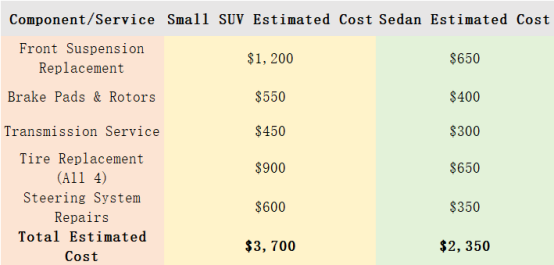
This table highlights the cumulative impact of structural and mechanical complexity on maintenance budgets. It also reflects a scenario common among real-world drivers: the higher ride height of SUVs exposes suspension components to increased leverage stress, accelerating fatigue.
Real-Life Scenarios and Long-Term Implications
To bring this to life, imagine two friends, Lisa and Marco, each with similar vehicle budgets but different preferences. Lisa owns a 2020 compact SUV, while Marco drives a 2020 mid-size sedan. Both vehicles have logged roughly 65,000 miles. Lisa starts noticing uneven tire wear, creaking in the rear suspension, and minor transmission fluid leaks. Routine oil changes cost slightly more due to larger engine capacity and heavier vehicle weight. Marco, in contrast, primarily faces standard maintenance: regular oil changes, occasional brake servicing, and tire rotations.
By the 70,000-mile mark, Lisa has invested approximately $1,500 more than Marco in unplanned repairs alone, illustrating how SUV structural requirements accelerate maintenance costs. Insurance premiums often add to this divergence, as SUVs may carry higher replacement costs and claim liabilities due to heavier frame and safety structures.
Another factor driving costs is labor. Repairing a small SUV often requires more intensive labor hours because of its higher stance, engine layout, and the need for specialized lifts or alignment equipment. For instance, replacing a rear shock on a compact SUV might take 2–3 hours, while the same job on a sedan might take just 1–1.5 hours. At an average labor rate of $120 per hour, the difference quickly compounds over time.
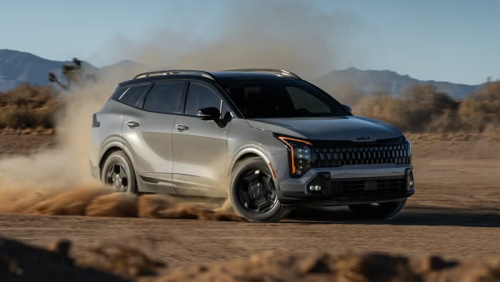
A real-world illustration from a regional dealership network showed that a 2018 small SUV required three major suspension repairs between 60,000 and 80,000 miles, while a comparable sedan required only one. This translates into both higher direct costs and increased downtime for SUV owners.
Data Insights and Planning for Ownership Costs
Data from the Automotive Maintenance Cost Database suggests that owners of small SUVs can expect maintenance and repair costs to increase by roughly 15–20% compared to sedans after the 60,000-mile threshold. This figure varies by brand, drivetrain type, and usage intensity, but the trend is consistent: SUVs, even compact ones, demand more attention to sustain optimal performance.
Owners can mitigate some of these expenses by taking a proactive approach to vehicle care. For example, maintaining proper tire alignment, regularly inspecting suspension bushings, and following manufacturer-recommended fluid changes can extend component life. Additionally, when planning long-term ownership, budgeting an extra 20–25% for maintenance costs beyond standard sedan estimates can prevent financial surprises.
Incorporating technology can also help. Some small SUVs offer telematics and predictive maintenance alerts that identify component wear before it becomes costly. However, these systems may themselves increase servicing complexity and technician training requirements, further influencing the cost landscape.
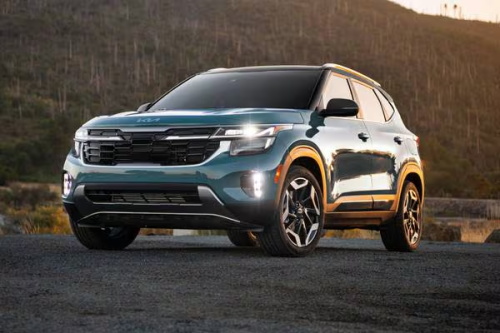
Finally, depreciation should not be ignored. Small SUVs often retain resale value better than sedans, which partially offsets higher maintenance costs. Yet for owners focused purely on the total cost of ownership, understanding the maintenance curve is critical.Tires, Brakes, and Suspension: Small Differences, Big Costs
One overlooked factor is the physical footprint of small SUVs. Wider tires, larger brakes, and reinforced suspension components are standard to manage weight and stability. While individually these parts may seem minor, the cumulative effect is significant.
For instance, replacing four SUV tires can cost $900–$1,200, whereas a sedan’s tires may only cost $500–$650. Brakes follow a similar pattern—thicker rotors and calipers are designed for the extra mass and ride height of SUVs, leading to more expensive replacements.
Even seemingly simple items like wheel alignment cost more due to the multiple adjustments required for multi-link suspensions on small SUVs, compared to a sedan’s simpler setup.
The Role of Resale Value and Cost Offset
It’s important to note that while maintenance costs are higher, small SUVs often retain better resale value than sedans, which can partially offset ownership expenses. For buyers prioritizing long-term investment, factoring in resale recovery is essential. However, those focused purely on out-of-pocket costs should anticipate the maintenance curve and prepare accordingly.
(The information in this article is for general guidance only. Maintenance costs vary depending on model, usage, and regional service pricing. Always consult your vehicle’s service manual and certified mechanics for specific advice.)
FQAs
Q1: Do all small SUVs cost more to maintain than sedans after 60,000 miles?
Not necessarily. Variations in brand, drivetrain, and vehicle usage affect maintenance costs. Some compact SUVs with simpler designs may align more closely with sedan expenses.
Q2: Can routine maintenance reduce the cost difference between SUVs and sedans?
Yes. Proper preventive maintenance—such as regular suspension inspections, fluid checks, and tire rotations—can slow the wear that drives higher repair costs.
Q3: How does driving style impact SUV maintenance costs?
Aggressive driving, frequent off-road use, and heavy payloads accelerate component wear, increasing maintenance costs compared to more conservative driving.
About Author
Jordan Kepler is an automotive analyst with over 12 years of experience covering vehicle ownership costs, maintenance trends, and consumer advice. His work frequently combines industry data with practical insights for drivers seeking realistic guidance on car ownership.
References
[1] Consumer Reports. (2025). Car maintenance costs: Small SUVs vs. Sedans.
[2] Kelley Blue Book. (2026). Total cost of ownership tool.
[3] Automotive Maintenance Cost Database. (2024). Long-term vehicle maintenance reports.
Explore more articles on this blog to uncover hidden costs and ownership tips that can save you money over your vehicle’s lifetime.
Recommend:

Why Small SUVs Become Costlier Than Sedans After 60,000 Miles: A Real-World Maintenance Breakdown

The Impact of Financial Pressures on Car Ownership and the Trend Toward Longer Vehicle Lifespans
Aftermarket vs. OEM: The Hidden Costs That Could Drain Your Wallet

The Evolving Decision of When to Replace Your Car Amid Rising Longevity and Economic Pressures