
Jan 30, 2026
Key Highlights:
● Car purchases are driven as much by identity and emotion as by practicality and price.
● Vehicles often function as symbols of personality, status, values, and lifestyle aspirations.
● Emotional reactions during test drives and ownership strongly influence long-term satisfaction.
● Social validation, cultural norms, and brand loyalty shape how people perceive and enjoy their cars.
Estimated Reading Time: 8 minutes┃Post by Ethan Caldwell
When you think about buying a car, most of us start with spreadsheets: fuel efficiency, reliability scores, price, and resale value. But if we were truly rational beings focused only on utility, car lots across America would be filled with identical white sedans that all deliver the same miles per dollar. In reality, people pick vehicles that feel right — ones that resonate with their personality, aspirations, and emotions. These psychological and identity-based influences don’t disappear once you drive off the lot. In fact, they determine whether you’ll still love your car five years down the road.
Cars as Mirrors of Identity and Self-Expression
Cars are among the most visible personal belongings we own. Unlike clothes you might change every season, your vehicle stays with you for years — and everyone sees it. Because of that visibility, cars become powerful symbols of self-identity and social meaning.
Psychologists and consumer behavior experts describe car choice as an act of identity projection — using a vehicle to communicate who you are or who you want to be perceived as. People often choose SUVs or luxury sedans not just for cargo space or leather seats, but because vehicles signal status, success, and values to others. This goes beyond surface appearance: choosing a car that aligns with your self-image can reinforce your sense of self every time you drive it. [1]
Vehicles do this by acting as extensions of personality. A sporty coupe suggests confidence, freedom, or thrill-seeking, while a rugged truck might broadcast independence and capability. Even electric vehicles can say something about environmental consciousness or tech-savviness. Each choice carries a narrative about who you are or strive to be.
When you pick a car that aligns with your inner story, it’s more likely to feel like you months and years later. This psychological fit strengthens emotional satisfaction with the vehicle and reduces the likelihood of buyer’s remorse. In contrast, choosing a car that contradicts your self-image often leads to regret or a sense that the vehicle was never “really yours” — even if it was practical on paper.
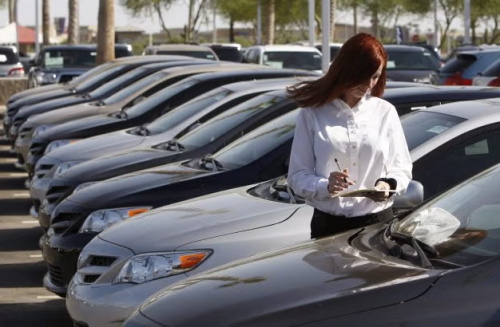
This identity dimension doesn’t arise in isolation; it’s reinforced socially. Humans are inherently social animals, and the people around us shape what we value and aspire to. The social signals from peers, family, and culture influence what a “cool,” “responsible,” or “successful” car looks like. When your choice echoes those norms, you get social validation — a hidden yet powerful motivator.
The Emotional Engine Under the Hood: Why Feelings Drive Choices
Even drivers who think they’re making logical decisions are often guided by emotion. Neuroscience and consumer research show that emotion plays a significant role in big-ticket purchase decisions, often outweighing rational calculations. Cars, despite being expensive and long-term commitments, are no exception. [2]
One key concept from psychology is the affect heuristic: a mental shortcut where decisions are driven by feelings rather than analytical reasoning. In car buying, a positive emotional reaction — the thrill of a test drive, the pride of owning a stylish exterior, the sense of safety as you sit behind the wheel — can outweigh detailed comparisons of specs or features.
That emotional response starts long before you sign on the dotted line. Marketers know this — that’s why car advertising rarely leads with dry facts. Instead, it often depicts lifestyle scenarios, such as family adventures in an SUV or the prestige of arriving in a luxury sedan. These narratives are crafted to spark emotional desires like freedom, belonging, or achievement.
Emotion isn’t limited to the purchase moment. Over time, your daily interactions with your car — the sound it makes, the comfort of its seats, how it responds on the road — create a bond similar to any meaningful object in your life. Cars become part of life stories: they witness road trips, family milestones, and everyday routines. That emotional entanglement can make you attached to the vehicle in ways that go beyond utility. [3]
Emotional drivers also influence how satisfied you feel with your choice long after the initial decision. For instance, choice-supportive bias means we tend to remember our decisions as better than they objectively were — especially when a purchase aligns with our identity or emotional goals. As a result, cars that “feel right” are more likely to be defended in our minds and cherished over years of ownership.
The Invisible Forces: Social Signals, Brand Bonds, and Cultural Narratives
Social Validation and Group Belonging
Vehicles also function as social signals. A car choice implicitly says something about your social group and values. Whether it’s an eco-friendly compact, a rugged pickup, or a sleek luxury sedan, others will make snap judgments based on what they see. That can reinforce positive feelings about your choice, especially if the signals align with how you want to be seen.
Social environments matter too. In communities where trucks dominate, owning a rugged 4×4 might feel like fitting in. In urban settings where environmental consciousness is prized, an EV might feel like a badge of shared values. These cultural narratives help determine whether your vehicle choice remains a source of pride or feels out of place as trends evolve.
Brand Loyalty and Psychological Attachment
Some of the strongest emotional bonds form not just with a specific vehicle but with the brand itself. Brand loyalty in the auto industry isn’t just about reliability ratings; it’s about trust and emotional connection developed over time. When a brand consistently delivers vehicles that match your expectations, you build not just confidence but an emotional attachment that carries into future purchases. [4]
This loyalty isn’t purely functional. It’s a psychological link rooted in shared experiences, memories, and even nostalgia. Drivers may return to the same brand repeatedly because it feels familiar, safe, and aligned with their identity. This continuity can affect how much they’ll love their next car — because buying something from a trusted name already feels emotionally reassuring.
Culture, Trends, and Psychological Norms
Broader cultural trends shape what cars symbolize. In some regions, larger vehicles symbolize strength, independence, or ruggedness; in others, they connote wastefulness or environmental disregard. Social and cultural narratives feed into subconscious motives for choosing certain vehicles and later feeling good about those choices.
These norms are powerful because they operate beneath conscious awareness. Even if you’d never articulate a cultural value in a survey, subtle cues — advertisements, stories from friends, or community norms — shape how you feel about vehicle types.
(This article is intended for informational and educational purposes only. It explores psychological and cultural influences behind car-buying behavior and does not constitute financial, automotive, or professional purchasing advice.)
Updated April 3, 2026
Author Bio
Ethan Caldwell is an automotive culture analyst and consumer psychology writer specializing in the emotional and behavioral dimensions of car ownership. His work explores how identity, branding, technology, and social trends influence automotive decision-making, helping readers understand why vehicles often become deeply personal extensions of lifestyle and self-expression.
Sources
[1]: https://www.insighttrendsworld.com/post/automotive-drive-decide-the-hidden-psychology-steering-car-purchases
[2]: https://autocorp.ai/blog/the-science-behind-why-people-buy-cars-insights-for-2026
[3]: https://www.alibaba.com/product-insights/why-do-people-name-their-cars-emotional-attachment-and-psychology.html
Reference
https://futurecar.ai/car-buying-emotional-factors
If you enjoyed this article, take a moment to explore more of our car guides, reviews, and insights designed to help you stay informed on everything automotive.
Recommend:
Affordability Pressures Are Significantly Reshaping the Way Consumers Approach Car Buying Decisions
Cars Function as Extensions of Our Digital and Personal Lives
Why Small SUVs Become Costlier Than Sedans After 60,000 Miles: A Real-World Maintenance Breakdown
Why Your EV’s Battery Cooling Determines Real-World Performance