Feb 26, 2026
Key Highlights:
● Keeping an older car can often be financially smarter than replacing it due to avoided depreciation and financing costs.
● New vehicles lose value rapidly, especially in the first five years, which significantly increases total ownership cost.
● Older cars may still be cheaper overall even with maintenance and repair expenses factored in.
● Psychological biases such as novelty preference and ownership bias often push drivers toward premature upgrades.
Estimated Reading Time: 9 minutes | Post by Cassandra Blythe
Owning a car is more than just having a way to get from A to B — it’s a recurring financial commitment that touches everything from your monthly cash flow to your long-term savings goals. When a vehicle ages and increasingly feels like a “clunker,” many drivers instinctively think about replacing it. The shiny allure of a new or newer model is powerful, but a deeper look at the true costs and psychological drivers behind vehicle decisions often reveals a more nuanced picture. In some cases, keeping that older car longer isn’t just emotionally comforting; it makes rigorous financial sense too.
The Financial Case for Keeping a Clunker
At its core, the ownership decision comes down to comparing the total cost of ownership (TCO) between maintaining your current vehicle and buying a replacement. Most drivers think in terms of the purchase price or monthly payment of a new or used car. But the real cost includes depreciation, insurance, maintenance, fuel, financing costs, and taxes. When these are fully accounted for, keeping a reliable older car often beats the alternatives.
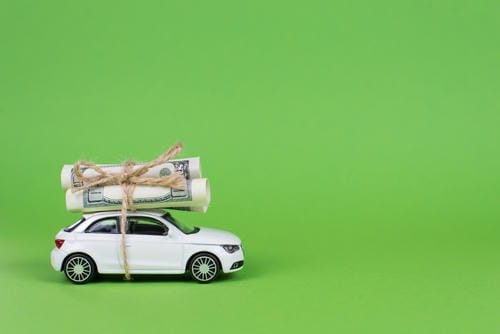
One of the most compelling financial reasons to keep an older car is avoiding depreciation — the instant and ongoing loss of value that new cars incur simply by being driven off the lot. New vehicles can lose roughly 20–30% of their value in the first year and up to about half within five years, substantially reducing your financial equity in the asset in a short period of time. That loss doesn’t hurt your cash flow directly, but it does decrease your financial worth and represents money you’ll never recoup if you buy new. [1]
By contrast, a clunker — especially one already owned outright — has already absorbed its steepest depreciation. Its resale value is low or negligible, meaning that further downside loss is smaller. In practical terms, when your old car’s market value is already low, what you pay toward repairs is mostly going into keeping a functioning asset rather than subsidizing depreciation that’s already largely occurred.
Used vehicles typically cost less to insure than new ones, putting more cash back in your wallet annually. Older cars can also have lower registration fees since many states base fees on value or age. Maintaining a paid-off older car means avoiding car loan interest, which can be substantial — especially when interest rates are high and loan terms stretch longer. [2]
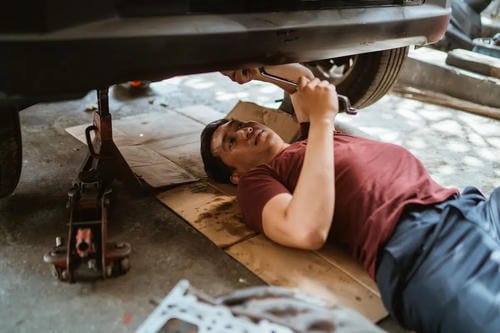
Even accounting for maintenance and repair bills, which tend to rise as a vehicle ages, keeping a clunker can be cheaper than the combined costs of financing, insuring, and depreciating a new car. A side-by-side cost projection often shows that even moderate repair expenses fall well short of the combined financial hits associated with continuous replacement cycles.
When you factor in depreciation and financing costs, a new or newer used car often needs to be kept for many years before its extra features or improved fuel economy provide net benefit. Some analyses comparing rivalling ownership timelines show that holding one vehicle for a decade or more can drastically reduce lifetime ownership costs compared to replacing every few years. In other words, the longer you keep your old ride, the more you spread fixed costs over time — increasing the value you get per dollar spent.
Moreover, avoiding negative equity — owing more on a car loan than the vehicle is worth — can be another reason to hang onto a paid-off older model rather than stretch into a new purchase that traps you in underwater loan territory. Experts note that keeping your current car until long-term financing burdens ease is often a financially prudent strategy. [3]
Why We Swap Cars Too Soon?
Even when the financial math favors keeping an older car, human psychology often pushes us in the opposite direction. Understanding these behavioral angles helps explain why people trade clunkers for shiny alternatives sooner than necessity or rational thinking would dictate.
Humans have a powerful bias toward novelty. A new or newer car delivers an immediate boost in satisfaction — sometimes called the hedonic adaptation to new possessions. This psychological reward can overshadow long-term financial costs. New cars often promise the latest tech, comfort features, and a sense of achievement that older cars lack, even if the old car still meets your practical needs.
This bias isn’t trivial; it triggers emotional spending that short-circuits more rational budgetary decision-making. The anticipation of driving a newer, “better” car can feel worth the added financial burden, even when it materially undermines broader financial health.
Another behavioral factor at play is ownership bias — the tendency to place a higher value on what we already own, simply because it’s ours. When someone contemplates selling or junking an old car, they often overestimate the emotional cost of losing a familiar vehicle and underestimate the financial cost of gaining a new one. This can lead to choices that feel conservative or secure but actually carry hidden long-term expenses. [4]
Yet in some cases, this ownership bias can help if it prompts you to extract more utility from a perfectly functional vehicle rather than incur the real, calculable costs of replacing it. The key is to recognize when the emotional valuation of your clunker aligns with its practical contribution to your life.
Cultural norms and social signaling also influence car decisions. In many communities, a newer car signifies success or status, compounding the pressure to trade up. This external validation motive often overshadows personal financial realities, particularly for those actively building careers or identities linked to outward markers of success. This dynamic can push drivers into purchases they don’t strictly need, diluting net financial well-being in exchange for short-lived social satisfaction.
Keeping an older car — even one that’s seen better days — can make sense when its total cost of ownership remains lower than the alternatives and when your behavioral instincts don’t overwhelm rational consideration. While every situation is unique, understanding the interplay between financial pragmatism and psychological preference can help you make smarter decisions about when to let go of a clunker — and when to let it keep serving you.
(This article is intended for informational and educational purposes only. Vehicle costs, depreciation rates, maintenance expenses, financing terms, and resale values vary widely depending on make, model, condition, market conditions, and geographic region. Any financial comparisons provided are generalized and should not be interpreted as personalized financial advice. Readers should assess their individual vehicle condition and financial situation or consult a qualified professional before making ownership decisions.)
FAQs
1. When does repairing an old car become more expensive than replacing it?
A common threshold is when annual repair costs begin approaching the monthly cost of financing a newer vehicle, especially if major components (engine, transmission, or electronics) are repeatedly failing. At that point, replacement may become more economically efficient.
2. How does keeping a paid-off car improve long-term financial stability?
Once a car loan is fully paid, monthly transportation costs drop significantly, allowing drivers to redirect cash flow toward savings, investments, or other financial goals instead of ongoing debt payments or depreciation-heavy purchases.
3. Why do repair costs tend to increase as a vehicle gets older?
As vehicles age, components experience normal wear and fatigue, and parts such as suspension, brakes, belts, and electronics gradually fail more frequently, leading to higher maintenance and repair frequency over time.
About the Author
Cassandra Blythe is a fictional writer specializing in vehicle ownership economics, depreciation behavior, and consumer decision-making psychology. His work focuses on helping drivers understand when retaining older vehicles is financially optimal and how behavioral biases influence major transportation decisions.
Sources
[1]: https://www.financialfieldnotes.com/financial-field-notes/cxkd4tp66s8flevcjqollmuv4sfje0
[2]: https://accountinginsights.org/should-i-keep-my-car-or-buy-a-new-one
[3]: https://apnews.com/article/vehicle-loans-cars-debt-economy-1c11d0925326ba7417a3f1b2cf2265fd
[4]: https://www.purposebuiltfs.com/blog/harnessing-ownership-bias-to-save-money-and-increase-happiness
If you’re interested in cars, there’s plenty more content here to keep you informed, engaged, and ahead of the curve.
Recommend:
Why Owning a Luxury Car Costs Far More Than the Sticker Price Suggests?
Hidden Costs of Car Ownership That Impact Your Long-Term Budget
Small Maintenance Tasks Significantly Preserve Vehicle Value Over Time
Why Your EV’s Battery Cooling Determines Real-World Performance