Feb 6, 2026
Key Highlights:
● Real-world driving data helps drivers understand how their habits affect fuel consumption and emissions.
● Modern telematics systems provide feedback that encourages smoother and more efficient driving behavior.
● Eco-driving feedback tools have been linked to measurable fuel savings and lower operating costs.
● Safer driving habits often improve both sustainability and fuel economy at the same time.
● Telemetry systems are increasingly used in insurance, fleet management, and electric vehicle energy optimization.
Estimated Reading Time: 9 minutes | Post by Ethan Mercer
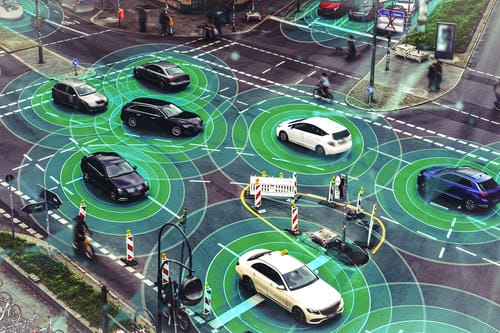
In the era of connected vehicles and ubiquitous computing, cars are no longer isolated mechanical systems operating in a vacuum. Modern vehicles continuously generate streams of data on speed, acceleration, braking, engine load, GPS position, and a host of other parameters that together constitute what engineers and data scientists call telemetry or real-world driving data. This data, once the exclusive domain of engineers tuning powertrains on dynamometers, is now used to inform, coach, and even nudge drivers toward more sustainable driving behaviors. This shift represents not just a technological advance in vehicle data processing, but a transformation in how drivers interact with their cars and make real-time driving decisions.
What sets modern telematics apart isn’t solely its capacity to collect information; it is the application of that information back to drivers in ways that meaningfully change behavior. Rather than leaving the driver unaware of how choices such as harsh acceleration or frequent stop-and-go driving affect fuel consumption, telematics systems — from smartphone-connected apps to built-in vehicle systems — make these impacts visible. In doing so, telematics bridges the long-standing gap between vehicle capability and driver behavior. The result: drivers armed with real data can consciously adjust driving patterns to reduce fuel consumption and emissions. This article explores the dual impact of this data in advancing sustainable driving — technological in its capability and behavioral in its influence.
How Telemetry Reflects Real Driving and Its Sustainability Consequences
Unlike laboratory testing, which often uses standardized cycles such as WLTP (Worldwide Harmonized Light-Duty Vehicles Test Procedure) to measure vehicle performance, real-world driving encompasses infinite variations in traffic, terrain, weather, and individual driver choices. Because of this complexity, there can be substantial discrepancies — sometimes exceeding 30% — between standardized test values and true on-the-road fuel use or emissions figures. Real-world telemetry captures actual performance by recording fine-grained data during everyday use, allowing analysis of the conditions under which a vehicle truly operates, not just how it performs under test conditions. Real usage data provides insight into factors like idling time, rapid throttle inputs, and traffic conditions — all of which directly influence fuel consumption and environmental impact.
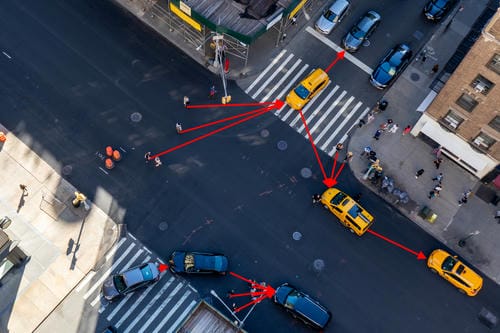
At the heart of this practice is the increasing adoption of in-vehicle telematics. These systems harvest data from the car’s internal networks — often via CAN (Controller Area Network) bus logs or smartphone sensor arrays — and feed that data into machine learning models or visualization dashboards. Engine speed, throttle position, brake pressure, GPS trajectory, and even contextual factors like ambient temperature or road grade can be woven together into detailed portraits of driving behavior and vehicle efficiency. The human and machine learning efforts to interpret such data have proliferated in recent research, from frameworks predicting emissions based on aggressive versus conservative driving to systems that help drivers visualize the cost of their own driving patterns in real time. [1]
Beyond raw monitoring, this data is reshaping the insurance industry and fleet management strategies. One prominent example is usage-based insurance (UBI), where driver premiums are tied to measured behavior rather than historical claims or demographic proxies. Instead of waiting for a costly accident or a long claims history to gauge risk, insurers can use telematics to assess actual driving patterns — including accelerating, braking, speeding frequency, and time of day usage — to produce driver scores that reflect safety and efficiency. This kind of scoring turns the traditional insurance model on its head, rewarding responsible, efficient drivers with lower premiums and influencing broader adoption of fuel-saving behaviors.
Data quality plays a significant role in these applications. The sheer volume of telemetry — thousands of data points per trip — means that cleaning, normalizing, and contextualizing that data is crucial for accuracy. Academic surveys note that extracting meaningful signals from raw telemetry requires careful preprocessing to remove noise, address missing values, and ensure consistency across different vehicles and device sensors. [2]
Telematics Feedback Systems: Behavioral Change in the Driver’s Seat
Collecting data is only half the battle. The real power of telematics lies in feedback loops that meaningfully influence human driving behavior. Real-time or near-real-time feedback transforms passive measurement into an active coaching tool that encourages drivers to adopt more sustainable driving patterns. For example, systems that highlight fuel usage trends or inefficiencies during a trip can prompt drivers to ease off aggressive acceleration, maintain steadier speeds, or avoid unnecessary idling — all behaviors that improve fuel economy.
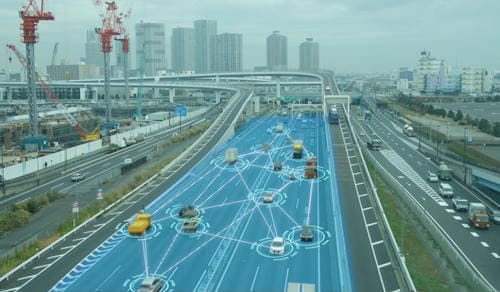
Field studies of eco-driving feedback systems reveal measurable reductions in fuel consumption. Research into mobile eco-driving feedback platforms indicates that drivers who consciously reflected on feedback about their driving could reduce fuel consumption on average by about 4% over several weeks of usage, as drivers became more aware of how their habits affected real outcomes. [3]
A particularly compelling line of evidence comes from large-scale research that quantifies fuel efficiency improvements tied directly to changes in telematics-measured driving scores. In a study analyzing 1.5 million trips across thousands of drivers, those with safer, smoother driving habits — fewer instances of hard braking, speeding, or erratic acceleration — were found to be significantly more fuel-efficient than riskier drivers. Specifically, drivers who improved their safety scores showed up to roughly a 6% improvement in fuel economy — translating to tangible reductions in gallons consumed and dollars spent.
This linkage between safety and sustainability is critical. Where past perspectives may have treated fuel efficiency as a separate technical issue, telematics reveals that improved safety performance often correlates with better energy performance. Drivers who maintain steadier speeds, avoid abrupt control inputs, and anticipate traffic flow generally reduce both the likelihood of collisions and wasted fuel — a win-win for personal safety and environmental impact. [4]
Telemetry systems can serve various audiences. For individual consumers, smartphone apps and in-dash interfaces give direct feedback on fuel impact. For commercial fleets, driver scorecards and telematics dashboards help managers coach large groups of drivers toward eco-driving goals, reducing total fleet emissions and operating costs. For insurers, telematics informs dynamic pricing and personalized risk mitigation programs.
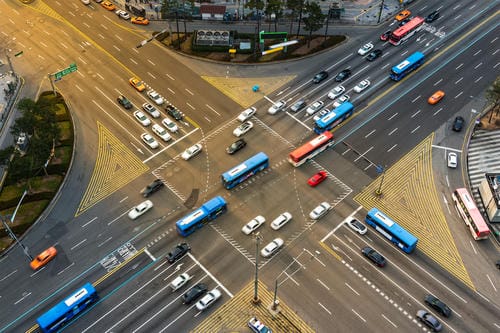
Moreover, gamification elements — such as leaderboards or eco-score challenges — can motivate drivers to compete or improve over time, clubbing sustainability goals with performance incentives. Although adoption challenges remain, particularly around privacy and data acceptance, initial results show that structured driver engagement can yield measurable behavior change.
Telematics data also feeds into advanced analytical frameworks that leverage machine learning to classify driving patterns and predict fuel consumption. Studies using unsupervised learning models demonstrate clear distinctions in emissions profiles between aggressive and conservative driving, reinforcing the notion that telemetry isn’t just descriptive — it’s predictive and prescriptive.
In electric vehicles (EVs), telemetry operates on a slightly different axis, focusing on energy draw, battery management, and regenerative braking behavior. Research indicates that real-time guidance on power usage can empower drivers to extend EV range by optimizing throttle behavior and energy harvesting — further proving that data-driven guidance can serve sustainability goals across propulsion types. [5]
Thus, telematics is not a passive backend analytics tool; it is a bridge between technical performance and behavioral change, equipping drivers with actionable insights and encouraging daily habits that align with sustainability objectives.
(This article is intended for informational and educational purposes only. The discussion of telematics, eco-driving systems, and sustainability technologies reflects current industry research and publicly available studies but should not be interpreted as professional engineering, legal, insurance, or financial advice. Vehicle performance, fuel economy, and environmental impact may vary depending on driving conditions, vehicle type, maintenance, and regional regulations.)
FAQs
1. What is eco-driving, and how does it help the environment?
Eco-driving refers to driving habits that reduce fuel or energy consumption, such as smooth acceleration, maintaining steady speeds, and minimizing unnecessary braking. These behaviors help lower emissions and improve overall vehicle efficiency.
2. Can telematics work without built-in car technology?
Yes. Many telematics systems operate through smartphone apps that use GPS, accelerometers, and cloud-based analytics to monitor driving behavior, even in vehicles without advanced built-in systems.
3. Why do aggressive driving habits increase fuel consumption?
Rapid acceleration, hard braking, and speeding force the engine or battery system to work harder and waste energy. Smooth and predictable driving typically uses less fuel or electricity and reduces wear on the vehicle.
Updated April 5, 2026
About the Author
Ethan Mercer is a fictional automotive technology analyst and mobility researcher specializing in connected vehicle systems, sustainable transportation, and driver behavior analytics. With over a decade of experience covering telematics platforms, vehicle data infrastructure, and emerging mobility trends, he focuses on how real-world driving data is reshaping fuel efficiency, road safety, and the future of intelligent transportation systems.
Sources
[1]: https://www.mdpi.com/2624-8921/6/4/106
[2]: https://www.sciencedirect.com/science/article/pii/S0001457524000642
[3]: https://link.springer.com/article/10.1007/s10799-021-00352-6
[4]: https://trid.trb.org/View/2586809
[5]: https://arxiv.org/abs/2311.08085
Stay a while and check out our other posts covering everything from everyday car care to the latest innovations in automotive technology.
Recommend:

The Impact of Financial Pressures on Car Ownership and the Trend Toward Longer Vehicle Lifespans

How Insurance and Taxes Impact Your Real Car Costs Over Time
Aftermarket vs. OEM: The Hidden Costs That Could Drain Your Wallet
The Rise of Extended Car Ownership and What’s Behind It