Mar 6, 2026
Key Highlights:
● Across the U.S. and Europe, drivers are keeping cars longer due to high new-vehicle prices, rising financing costs, and ongoing expenses like insurance and maintenance.
● Average vehicle age in the U.S. has surpassed 12 years, reflecting a global trend toward extended ownership rather than frequent trade-ins.
● Consumers increasingly prioritize repair and maintenance over replacement, balancing cost, longevity, and reliability.
● The automotive aftermarket is expanding as aging fleets demand more frequent and complex servicing, fueling growth in parts and service industries.
● Economic pressures are reshaping ownership behavior, prompting manufacturers, dealers, and service providers to adapt to longer retention and cost-conscious consumers.

Estimated Reading Time: 9 minutes | Post by: Isla Ravenscroft
Why Car Owners Are Holding On Longer
Across markets from North America to Europe, a marked transformation is occurring in how consumers think about car ownership. Increasingly, drivers are choosing to keep their vehicles for much longer than in past decades, not primarily because of nostalgia or brand loyalty, but as a direct response to sustained economic pressures. Soaring new-car prices, elevated financing costs, and rising ongoing expenses like insurance and maintenance are reshaping conventional vehicle turnover cycles around the world. Where the traditional ownership pattern over the past half-century was characterized by frequent upgrades — typically every five to seven years — today’s data reveals a striking departure from that model. For instance, in the United States, the average age of cars on the road continues to rise and has crossed the 12-year mark, as owners extend the useful life of their vehicles rather than commit to another major purchase. This contrasts sharply with the decades prior when the purchase–replace rhythm was far more regular, driven by fairly stable vehicle pricing and accessible financing. High sticker prices and elevated borrowing rates have made new cars less attainable for many households, causing consumer behavior to pivot toward long-term retention of existing vehicles as a strategy for managing household budgets. The economic calculus for drivers now frequently favors “keep and maintain” over “sell and upgrade,” altering fundamental patterns of ownership around the globe.
This trend is not limited to the United States alone. In the European Union, for example, the average car age has also climbed steadily over recent years, underscoring a broader international dynamic where financial considerations are outweighing other factors in purchase decisions. Drivers there, similar to those in North America, are keeping their vehicles longer to avoid the substantial costs associated with new vehicles and high levels of debt service. Economic uncertainty and the lingering effects of inflation have amplified caution among consumers, prompting both older and younger drivers to postpone replacement plans whenever possible. Consequently, the global fleet of vehicles in operation is aging, resulting in a higher proportion of cars that have passed what once would have been their “end of life.” This pattern of retention has become something of a defining characteristic of contemporary car ownership. [1]

Underlying much of this shift is the stark reality of new-car affordability. The average transaction price for a new vehicle has reached record levels in markets such as the United States, seriously stretching household budgets. Rising interest rates compound the problem, making monthly payments considerably more burdensome than in previous periods. Even when consumers are able to secure financing, the long-term cost of servicing that debt can dissuade them from trading in for newer models. The upshot is a prolonged period of ownership for existing vehicles, as drivers seek to maximize the value they derive from what they already possess rather than take on the financial strain of repeated purchases. [2]
Repair, Maintain, and Reinvent Ownership Economics
Alongside extended retention, another significant behavioral shift is underway: owners increasingly prefer to repair rather than replace their vehicles. This is a multifaceted phenomenon, rooted both in economic pragmatism and a broader cultural reassessment of consumption patterns. Faced with the reality of high repair and maintenance costs — which themselves are climbing but still generally lower than the outlay for a new car — many drivers are opting to invest in keeping their current vehicles roadworthy rather than absorbing the steep depreciation that accompanies a new purchase. This trend encompasses a range of actions, from routine servicing to more substantial repairs that in past eras might have tipped the scale toward replacement. Repair choices are now often deliberate financial decisions geared toward prolonging a vehicle’s useful life as a hedge against the higher costs of replacement.
Indeed, consumer sentiment reflects both a practical and emotional recalibration of how people relate to their vehicles. In several markets, studies have observed that a nontrivial portion of car owners explicitly prefer repair as a means to extend ownership. This is not solely because repair is cheaper in the short term — though that is a major factor — but also because drivers are beginning to value the longevity and reliability of a familiar vehicle, seeing it as an asset to be maintained rather than a commodity to be cycled every few years. This evolving attitude dovetails with broader social movements that emphasize sustainability, reduced consumption, and a rejection of wasteful “disposable” mindsets. In a world increasingly conscious of environmental impacts and resource use, owning a car for longer and keeping it maintained is sometimes framed as both financially sensible and socially responsible.
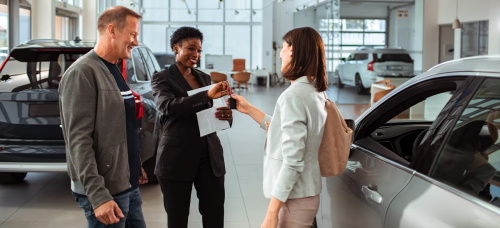
From an industry perspective, this behavioral shift has significant economic implications. As vehicle fleets age, demand for parts, maintenance services, and complex repairs is rising. The automotive aftermarket — encompassing everything from replacement parts to diagnostic services — is expanding as owners seek to keep older vehicles on the road. For example, the global automotive aftermarket has grown into a multi-hundred-billion-dollar sector, reflecting the sustained need for upkeep among an increasingly mature vehicle population. Older vehicles typically require more frequent servicing and a broader range of part replacements, fueling growth in related sectors even as new-vehicle sales patterns adjust to consumer cost sensitivities. [3]
Simultaneously, the nature of the repairs demanded by an aging fleet is evolving. Modern cars equipped with advanced driver assistance systems, sophisticated electronics, and other high-tech components can be more expensive to repair than older, simpler vehicles. As owners hold onto these technically complex cars longer, repair shops and parts suppliers must adapt to their needs, often investing in specialized tools and expertise. While this trend complicates the repair landscape, the overarching driver remains clear: owners are choosing to invest in repair and maintenance rather than pursue replacement, reshaping entire segments of the automotive ecosystem.

Crucially, economic pressure also influences how and when owners approach maintenance. Given the escalating cost of routine services and parts, some consumers are delaying non-critical maintenance or opting to perform simpler tasks themselves. This do-it-yourself mindset, while not universal, represents another dimension of cost-conscious behavior — a reflection of how deeply financial considerations now permeate car ownership decisions. Repair choices are being optimized for cost, convenience, and return on investment, further illustrating how economic factors are rewriting the traditional script of vehicle ownership. [4]
Overall, these combined pressures — extended retention and an emphasis on repair — signal a substantive shift in ownership models that car manufacturers, dealers, and service providers must acknowledge. In an environment where consumers are increasingly discerning and financially cautious, aligning products and services with the evolving priorities of drivers is essential. For brands and businesses in the automotive sector, understanding this shift is critical to remaining relevant as traditional assumptions about turnover cycles and purchase behavior are challenged and redefined by economic realities.
(This article draws from aggregated market data and research. Vehicle longevity, costs, and ownership decisions vary widely by make, model, region, and individual circumstances. Readers should evaluate their personal situations or consult financial and automotive advisors when making ownership decisions.)
FAQs
1. Why are some car owners choosing DIY maintenance over professional services?
Rising service and parts costs are motivating cost-conscious owners to perform simpler repairs themselves, saving money while keeping vehicles operational.
2. How does holding onto cars longer affect the demand for automotive services?
Longer ownership increases the need for maintenance, repairs, and replacement parts, fueling growth in the automotive aftermarket sector.
3. Are modern cars easier or harder to repair as they age?
Modern vehicles often include advanced electronics and driver-assistance systems, which can make repairs more complex and expensive than older, simpler cars.
Updated May 15, 2026
About the Author
Isla Ravenscroft is a fictional automotive analyst who examines global trends in vehicle ownership, cost management, and consumer behavior. His work explores how economic pressures, technological advances, and lifestyle shifts influence ownership patterns and industry strategies.
Sources
[1]: https://automotive.messefrankfurt.com/global/en/facts-figures/ageing-cars.html
[2]: https://medium.com/%40thepartmarket/how-a-crisis-in-car-affordability-is-revving-up-the-spare-parts-economy-5e1e60c4db00
[3]: https://motorillustrated.com/aging-cars-are-driving-the-automotive-aftermarket/148352
[4]: https://www.ratchetandwrench.com/running-a-shop/operations/article/55335549/the-future-of-vehicle-maintenance-consumer-behavior-legislation-and-market-dynamics-in-2026
Keep browsing our blog to find deeper insights into vehicle performance, buying advice, and real-world driving experiences.
Recommend:
Aftermarket vs. OEM: The Hidden Costs That Could Drain Your Wallet

Why Owning a Luxury Car Costs Far More Than the Sticker Price Suggests?
How Shifting Economics Could Reshape Car Pricing and Ownership by 2030
Hidden Costs of Car Ownership That Impact Your Long-Term Budget